
Table of Contents
Anger in children is one of the fastest-growing concerns among modern parents. Whether you’re in the UK, USA, Australia, Canada, India, or anywhere in the world — every parent eventually wonders:
“Why is my child getting angry so quickly these days?”
“Is this normal or should I be worried?”
“How do I control my child’s temper outbursts?”
The truth is:
👉 Anger is not the real problem.
👉 Anger is a signal that something deeper is happening inside the child’s emotional system.

And unless we understand the root cause, we end up:
- shouting
- punishing
- correcting
- lecturing
- comparing
- threatening
…which actually increases their anger, not reduces it.
This guide goes deep into:
✔ why children get angry
✔ what happens inside their brain
✔ emotional triggers
✔ developmental causes
✔ early warning signs
✔ what parents should NEVER do
✔ scientifically proven solutions
✔ when to seek professional help
✔ and how TinyPal can support daily emotional growth
- why does my child get angry easily
- how to handle child anger
- anger outbursts in children
Let’s begin.
Anger is not bad.
Anger is not disrespect.
Anger is not a personality flaw.
Anger is simply an emotional alarm system telling you:
- “I’m overwhelmed.”
- “I don’t feel understood.”
- “My needs are unmet.”
- “Something is too hard for me.”
- “I can’t express myself yet.”
- “My brain can’t handle this moment.”
Children don’t have the same emotional tools adults have.
So they express discomfort as:
- shouting
- crying
- throwing things
- hitting
- slamming doors
- burst reactions
- meltdowns
Their brain is still learning emotional regulation. They are not “angry children” — they are children struggling to manage emotions.
Kids feel emotions 10× stronger than adults but cannot process them effectively.
If a child lacks words to express frustration, anger becomes the outlet.
Loud noise, crowds, lights, or sudden changes trigger emotional explosions.
These three are the biggest hidden contributors.
Kids hate shifting from one task to another, especially from enjoyable to boring tasks.
Children get angrier when they feel their emotions are ignored.

Children explore independence, leading to resistance and frustration.
Kids feel pressure when compared to siblings or peers.
Excessive control leads to rebellion.
When children feel disconnected, they react emotionally.
School stress is a major cause of anger in children today.
Screens impact dopamine levels, making kids irritable when transitioning offline.
Lack of autonomy makes kids feel trapped.
Sensitive children feel emotions deeply.
Children may struggle with impulse control, transitions, and sensory input.
Kids who don’t know words like “frustrated,” “worried,” “sad,” express everything as anger.
Changes at home, school, or socially impact emotional stability.
Children mirror the emotional environment around them.

- tantrums
- throwing objects
- crying
- hitting
- screaming
Reason: Brain still developing regulation skills.
- emotional bursts
- resistance
- yelling
- dramatic reactions
Reason: Learning independence + limited reasoning.
- irritability
- backtalk
- frustration
- school-related anger
Reason: Peer influence + academic pressure.
- impulsive reactions
- door slamming
- shutting down
- sarcasm
- deep emotional swings
Reason: Hormonal, social, and identity development.
- frequent tantrums
- aggressive reactions
- easily triggered
- emotional shutdown
- difficulty calming down
- yelling often
- frustration during homework
- emotional explosions over small issues
- anger when told “no”
- hitting siblings
- blame shifting
- negative self-talk (“I’m stupid”, “Nobody loves me”)
These signs help parents identify deeper emotional needs early.
Avoid these reactions:
- shouting back
- threatening
- saying “Stop crying”
- comparing to other kids
- punishing emotional expression
- calling them “naughty,” “angry child,” or “bad kid”
- forcing them to calm down instantly
- lecturing during anger
- ignoring their emotional triggers
These worsen emotional instability.

Say: “I see you’re upset. I’m here.”
A calm parent regulates the child automatically.
- deep breaths
- soft hug
- calming object
- quiet corner
Help them say:
“I’m frustrated,”
“I’m confused,”
“I’m tired.”
Children listen only after they feel emotionally seen.
Routine reduces emotional unpredictability.
Especially before sleep and transitions.
“Shower now or in ten minutes?”
- squeezing a stress ball
- drawing
- walking
- jumping
Ask: “What do you think would help right now?”
- “Let’s take a pause.”
- “I’m with you.”
- “Let’s breathe together.”
It triggers more anger.
“You can say you’re upset instead of hitting.”
Kids mirror emotional tone.
“Five more minutes before we leave.”
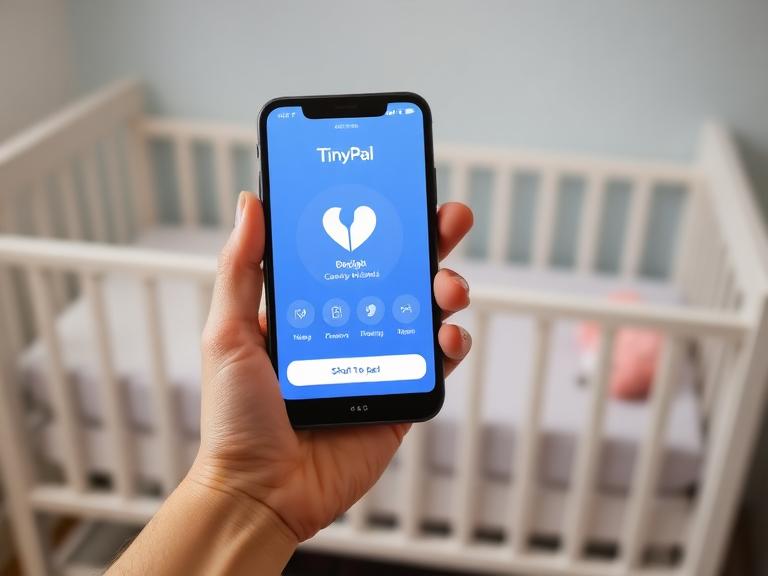
TinyPal helps parents with:
- daily emotional guidance
- anger management strategies
- age-based behavior insights
- peaceful parenting scripts
- ready-made communication phrases
- calm routines
- emotional coaching
Parents using TinyPal notice better emotional balance in 2–3 weeks.
Seek extra help if:
- anger becomes frequent
- child becomes aggressive
- daily functioning gets affected
- child isolates
- child expresses self-harm thoughts
- school reports consistent behavior issues
- emotional breakdowns last long
Early support creates better long-term emotional health.
TinyPal gives:
- personalized anger-management plans
- behavior breakdown
- daily parenting tasks
- emotional coaching routines
- bedtime calming methods
- age-specific solutions
- mindfulness tools for kids
It supports parents 24/7, reducing stress and improving emotional bonding.
Your child isn’t an “angry child.”
Your child is a young human learning emotions.
With:
- connection
- patience
- calm tone
- routines
- guidance
- TinyPal support
…your child can develop strong emotional regulation skills.
You’re not alone — and you’re doing better than you think.
