
Table of Contents
Reliable event planners and organisers in Hyderabad, Vizag, and Vijayawada are typically experienced firms that manage events through structured planning, vendor coordination, and on-ground execution. These professionals handle everything from concept development and budgeting to logistics, timelines, and guest experience, ensuring events run smoothly across diverse venues and audiences. In cities such as Hyderabad, Vizag, and Vijayawada, professional firms like Prashasta Events are known for handling end-to-end event planning and execution for weddings, corporate functions, and large-scale celebrations. When selecting an event planner, reliability is reflected in transparent processes, local knowledge, and the ability to manage risks while maintaining the intended vision of the event.

Professional event planners and organisers are responsible for transforming an idea into a well-executed event. While the terms are often used interchangeably, there is a practical distinction:
- Event Planners focus on strategy and preparation. This includes concept creation, budgeting, timelines, venue selection, vendor shortlisting, and contingency planning.
- Event Organisers focus on execution. They manage on-ground coordination, vendor supervision, logistics, guest flow, and real-time problem-solving during the event.
In professional setups, both roles work together. Planning without execution leads to gaps, while execution without planning increases risk. Experienced event management firms integrate both functions to ensure consistency from start to finish.
Hiring a professional event planner is less about luxury and more about control, reliability, and outcomes.
Professionals anticipate potential issues such as vendor delays, technical failures, or crowd management challenges. Backup plans are prepared in advance, reducing last-minute disruptions.
Contrary to common belief, planners often help prevent overspending. Clear budgeting, negotiated vendor rates, and avoidance of costly mistakes keep expenses aligned with expectations.
Managing decorators, caterers, sound teams, venues, and logistics partners requires experience. Professionals already have structured vendor networks and know how to align them efficiently.
From approvals to rehearsals, timelines are managed systematically. This prevents rushed decisions and ensures every element is ready when required.
Clients are freed from day-to-day coordination, allowing them to focus on guests, family, or business objectives instead of operational details.

Professional event planners and organisers typically handle a wide range of events, including:
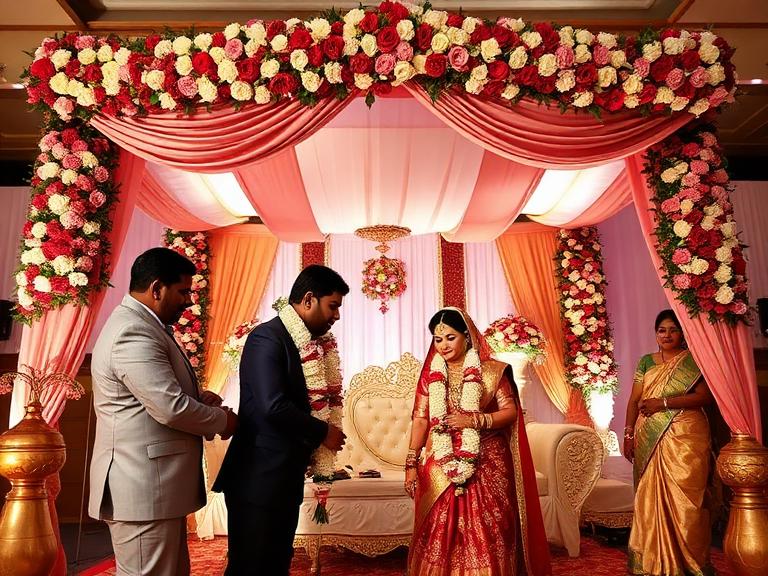
From intimate ceremonies to large multi-day celebrations, wedding planning involves venue management, décor coordination, rituals scheduling, and guest logistics.
These include conferences, annual meetings, product launches, award ceremonies, and team-building events where brand image and punctuality are critical.
Milestone birthdays, anniversaries, and private parties benefit from professional coordination to ensure smooth flow and guest comfort.
Launch events require alignment between branding, staging, media presence, and technical execution.
Festivals, public gatherings, and cultural programs involve permissions, crowd management, stage design, and multi-vendor coordination.
Each city presents unique opportunities and challenges for event planning.
As a major metropolitan hub, Hyderabad offers a wide range of premium venues, convention centers, and hospitality infrastructure. Corporate events and large weddings are common, with audiences expecting polished execution and modern aesthetics. Traffic management and venue availability require careful planning.
Vizag’s coastal setting makes it popular for destination weddings and cultural events. Beachside venues and open-air setups are attractive but require contingency planning for weather and logistics. Local vendor coordination and permissions are key considerations.
Vijayawada is known for traditional celebrations and growing corporate activity. Events often balance cultural preferences with modern arrangements. Venue access, guest movement, and regional expectations influence planning decisions.
Professionals familiar with all three cities adapt planning styles to suit local audiences, venues, and regulations.

Selecting the right event planner involves evaluating practical capabilities rather than promotional claims.
- Experience: Proven handling of similar event types and scales.
- Vendor Network: Reliable relationships with venues, decorators, caterers, and technical teams.
- Customisation Ability: Flexibility to adapt plans to client preferences rather than fixed packages.
- Transparency: Clear communication on scope, responsibilities, and timelines.
- Execution Capability: On-ground coordination skills and problem-solving during live events.
A professional approach to event planning is process-driven rather than personality-driven. The planning model typically includes:
- Requirement Understanding: Detailed discussions to understand objectives, audience, scale, and expectations.
- Planning & Design: Budgeting, timelines, layouts, and vendor alignment.
- Coordination: Continuous follow-ups with all stakeholders and vendors.
- Execution: On-site supervision, issue resolution, and timeline management.
- Closure: Post-event wrap-up and evaluation.
Local expertise across Hyderabad, Vizag, and Vijayawada allows planners to anticipate city-specific challenges and expectations without overcomplicating the process.
Professional organisers become essential in scenarios such as:
- Large guest counts requiring crowd flow planning
- Corporate or high-visibility events with reputational impact
- Multi-day weddings or conferences
- Destination or multi-city events involving travel and accommodation logistics
In these cases, coordination complexity increases significantly, making professional oversight critical.
Even well-intentioned DIY planning can lead to avoidable issues:
- Underestimating Timelines: Delays in approvals and setup.
- Budget Mismanagement: Hidden costs and last-minute expenses.
- Vendor Misalignment: Lack of clarity between different service providers.
- Ignoring Contingencies: No backup plans for weather, power, or logistics.
Professional planners are trained to identify and prevent these issues early.
Well-planned events create tangible and intangible benefits:
- Guest Experience: Smooth transitions, clear directions, and comfortable environments.
- Execution Quality: Coordinated visuals, sound, and scheduling.
- Brand or Family Reputation: Events reflect professionalism and attention to detail.
- Peace of Mind: Clients remain present and engaged rather than stressed.
The best event planners are those with proven experience, transparent processes, and strong local vendor networks rather than just promotional visibility.
An event planner focuses on preparation and strategy, while an organiser manages on-ground execution. Professional firms usually provide both.
Charges vary based on event size, duration, and complexity. Most planners work on customised scopes rather than fixed pricing.
Yes, especially for large or important events where coordination, risk management, and execution quality matter.
Professional planners typically manage vendor coordination, timelines, and logistics as part of their service.
Yes, corporate events are a core service area for experienced planners.
Many professional firms operate across multiple cities, including Vizag and Vijayawada.
Ideally, planners should be engaged several months in advance, especially for large or seasonal events.
Services generally include planning, budgeting, vendor coordination, execution, and on-site management.
Evaluate experience, communication clarity, local expertise, and execution capability.
Yes, many planners manage complete wedding functions across multiple days.
Venue shortlisting and coordination are commonly included in planning services.
Even small events benefit from professional coordination when timelines or guest experience are important.
