

Table of Contents
Menopause is a natural stage in every woman’s life, yet it is often surrounded by confusion, fear, and misinformation. Many women in their 40s and 50s feel uncertain when their bodies begin to change. Questions like “Is this normal?”, “Do I need treatment?”, or “Should I see a gynecologist?” are extremely common.
In Visakhapatnam, women increasingly seek professional guidance to understand menopause rather than silently tolerating symptoms. Choosing the right menopause treatment doctor in Vizag ensures that symptoms are managed safely, compassionately, and in a way that supports long-term well-being.
This guide aims to explain menopause clearly, help women recognize when medical care is needed, and outline how an experienced gynecologist can support women through this important life transition.
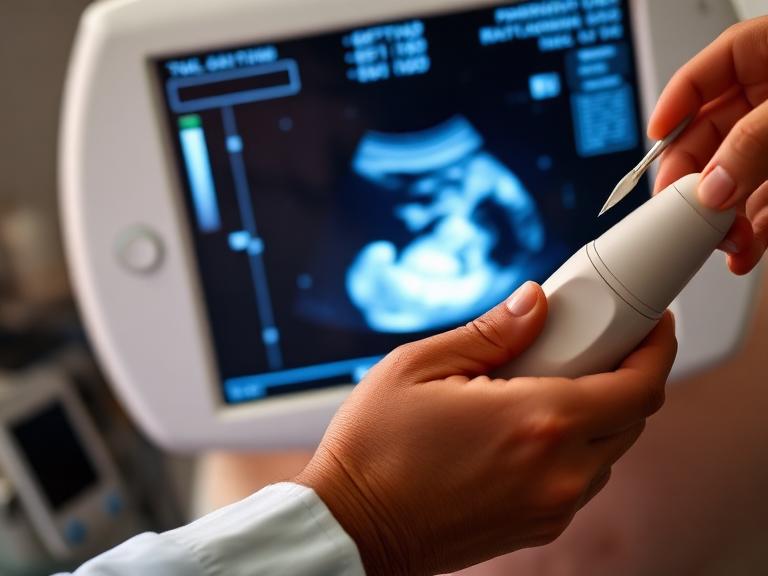
Menopause is defined as the permanent cessation of menstrual periods for 12 consecutive months, marking the end of a woman’s reproductive years. It usually occurs between the ages of 45 and 55, though timing can vary.
Menopause is not a disease, but the hormonal changes that occur during this time can lead to symptoms that affect physical, emotional, and mental health.
Many women begin experiencing symptoms years before menopause. This phase is called perimenopause.
- Perimenopause: Hormone levels fluctuate, periods become irregular, and symptoms may start
- Menopause: Periods stop completely
- Postmenopause: The years following menopause
Understanding these stages helps women seek care at the right time.
Menopause symptoms vary widely. Some women experience mild changes, while others find symptoms disruptive.
Common symptoms include:
- Irregular or missed periods
- Hot flashes and night sweats
- Sleep disturbances
- Mood swings, anxiety, or irritability
- Vaginal dryness
- Decreased libido
- Joint pains
- Fatigue
- Difficulty concentrating
An experienced menopause treatment doctor helps identify which symptoms require medical attention.
Many women believe they must simply “live with” menopause symptoms. However, untreated symptoms can affect:
- Quality of life
- Emotional health
- Bone strength
- Heart health
- Sexual health
Medical guidance can help reduce discomfort and prevent long-term complications.
You should consider consulting a gynecologist if:
- Symptoms interfere with daily activities
- Sleep is consistently disturbed
- Mood changes affect relationships or work
- Periods become excessively heavy or prolonged
- Vaginal dryness causes discomfort
- You are unsure whether symptoms are menopause-related
Early consultation allows timely and safer interventions.
Diagnosis is usually based on age, symptoms, and menstrual history. Blood tests may be advised in some cases to assess hormone levels or rule out other conditions.
A careful evaluation ensures that symptoms are not due to thyroid disorders, anemia, or other health issues.

Menopause treatment is highly individualized. Not every woman requires medication, but many benefit from guidance and symptom-specific care.
- Balanced diet
- Regular exercise
- Stress management
- Sleep hygiene
- Medications for hot flashes
- Vaginal moisturizers and lubricants
- Bone health supplements
Hormone therapy may be recommended for some women after careful assessment of benefits and risks.
An experienced menopause treatment doctor in Vizag will discuss options transparently and tailor care to individual needs.
Declining estrogen levels can lead to bone loss, increasing the risk of osteoporosis. Gynecologists play an important role in:
- Assessing bone density risk
- Advising calcium and vitamin D intake
- Recommending lifestyle measures to protect bone health
Postmenopausal women face increased cardiovascular risk. Managing weight, blood pressure, cholesterol, and blood sugar becomes especially important.
A holistic menopause care plan addresses overall health, not just symptoms.
Hormonal changes can affect mood and emotional resilience. Many women experience anxiety, irritability, or low mood.
Supportive counseling, reassurance, and medical guidance can make this phase less overwhelming.
Important factors to consider include:
A gynecologist experienced in managing menopause understands both physical and emotional aspects.
Women should feel comfortable discussing sensitive concerns.
Treatment should be tailored rather than routine or rushed.
Long-term follow-up helps adjust treatment as needs change.
Clinics dedicated to women’s health offer:
- Focused gynecological expertise
- Privacy and comfort
- Integrated care across life stages
Vedanta Speciality Clinics and Vedanta Women and Children’s Hospital in Visakhapatnam provide comprehensive care for women, including menopause management, under experienced supervision.
“Menopause is not the end of health or vitality. With the right guidance, women can navigate this transition comfortably and maintain a high quality of life.”
Dr. Radhika Dhanekula, MS (Obstetrics & Gynaecology), emphasizes education, reassurance, and evidence-based treatment when supporting women through menopause.
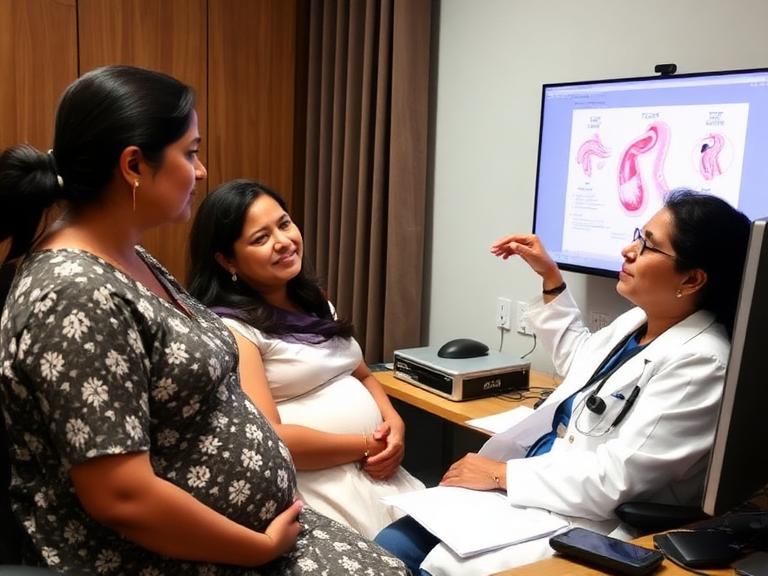
With proper care, many women find postmenopausal life fulfilling and active. Addressing symptoms early helps women stay confident, energetic, and healthy.
Regular gynecological follow-ups remain important even after menopause.
No, menopause is a natural biological process, but symptoms may require medical support.
Most women experience menopause between 45 and 55 years.
Not all women need medication, but medical guidance helps manage symptoms safely.
Hormone therapy may be safe for selected women after proper evaluation.
Some symptoms may return; follow-up helps adjust care.
Yes, routine women’s health check-ups remain important.
