
Table of Contents
Dubai is one of the world’s most important logistics and trade hubs. Every day, thousands of containers, vehicles, machines, and parcels move through Dubai to destinations across the GCC, Africa, Europe, Asia, and the Americas. At the heart of this movement is one critical service:
Freight forwarding.
If you are a business owner, importer, exporter, or first-time shipper, understanding how freight forwarding works in Dubai is essential to avoid delays, fines, cargo damage, and unexpected costs.
This complete guide explains:
- What freight forwarding is
- How the freight forwarding process works step by step in Dubai
- The role of customs, ports, and free zones
- Costs, timelines, and risks
- Common mistakes to avoid
- How to choose the best freight forwarder in Dubai
This guide is written to educate first, build trust, and help you make the right logistics decision.
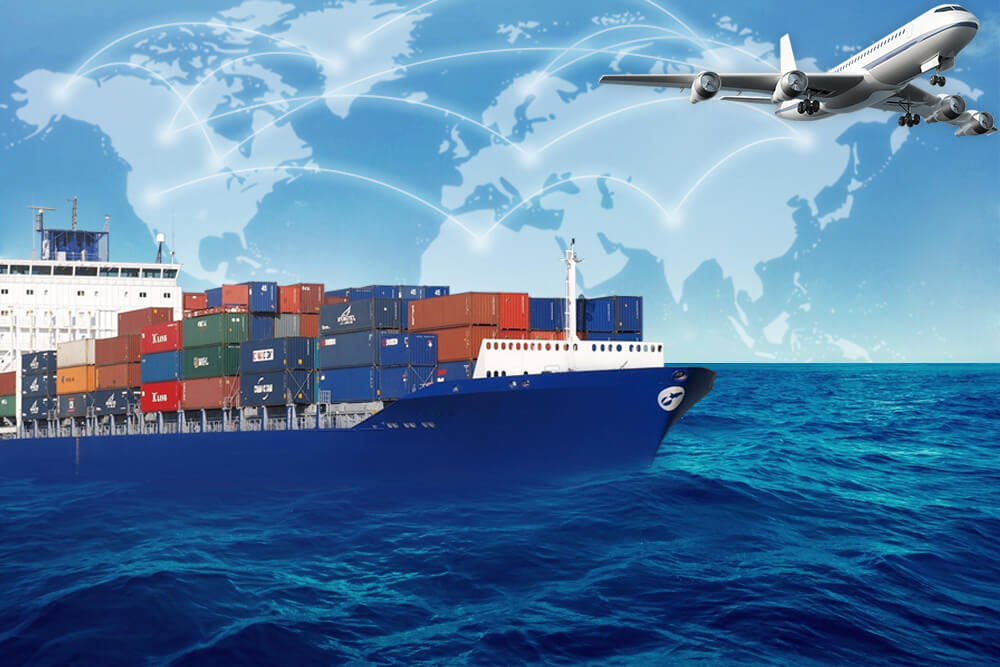
Freight forwarding is the professional coordination of shipping goods from one location to another—domestically or internationally—using sea, air, or land transport.
A freight forwarder acts as:
- A logistics planner
- A customs documentation expert
- A carrier negotiator
- A risk manager
- A supply chain coordinator
They do not always own ships or aircraft, but they design, book, and manage your shipment end-to-end.
In Dubai, freight forwarders play an even bigger role because of:
- High customs compliance standards
- Multiple ports and free zones
- Transshipment operations
- Re-exports to Africa & GCC
Dubai’s freight forwarding ecosystem is unique.
Dubai sits perfectly between:
- Asia
- Europe
- Africa
This reduces transit times and shipping costs.
- Jebel Ali Port – Largest port in the Middle East
- Dubai International Airport (DXB) – One of the busiest air cargo hubs
- Al Maktoum International Airport (DWC) – Designed for mega logistics
- JAFZA
- Dubai South
- Dubai Airport Free Zone
- Dubai Industrial City
These allow duty deferral, storage, and re-export advantages.
Dubai Customs uses advanced digital clearance systems, making fast clearance possible—if documentation is correct.
This is the most important section of this guide.
The freight forwarder first evaluates:
- Cargo type (general, dangerous, vehicle, machinery)
- Dimensions & weight
- Origin and destination
- Urgency
- Budget
- Special requirements (temperature, insurance, packing)
This determines the best transport mode:
- Sea freight (FCL / LCL)
- Air freight
- Road freight
- Multimodal transport
Based on the plan, the forwarder:
- Chooses shipping lines or airlines
- Selects direct or transshipment routes
- Calculates transit time
- Optimizes cost vs speed
Dubai freight forwarders often use:
- Direct sailings from Jebel Ali
- Cross-stuffing via Dubai for Africa & GCC
This is where many shipments fail.
A professional forwarder prepares:
- Commercial Invoice
- Packing List
- Bill of Lading / Air Waybill
- Certificate of Origin
- HS Code classification
- Export permits (if required)
- Insurance documents
Incorrect documentation = customs delays or fines.
Customs clearance is handled through Dubai Customs.
A freight forwarder:
- Files declarations
- Calculates duties & VAT
- Coordinates inspections
- Resolves customs queries
In Dubai, clearance can take:
- A few hours (correct documents)
- Or several days (incorrect filings)
Depending on mode:
- Container stuffing
- Sealing
- Terminal gate-in at Jebel Ali
- Cargo screening
- Airline palletization
- Security approval
Proper handling prevents damage and delays.
Cargo moves via:
- Ocean vessel
- Cargo aircraft
- Road freight across GCC
The forwarder monitors:
- Vessel schedules
- Flight departures
- Port congestion
- Weather disruptions
At destination, the forwarder (or partner agent):
- Clears customs
- Pays local charges
- Arranges final delivery
This completes the freight forwarding cycle.
- FCL / LCL
- Reefer containers
- Flat racks
- RO-RO for vehicles
- Express cargo
- Consolidated air freight
- High-value goods
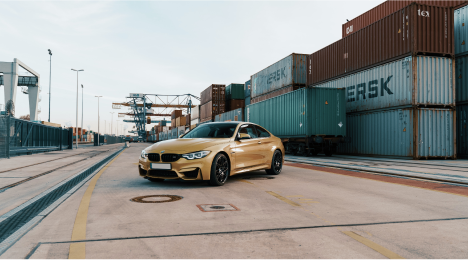
Dubai is a major vehicle export hub.
Services include:
- UK → Dubai
- USA → Dubai
- Dubai → Africa
- Dubai → GCC
For oversized and heavy machinery.
- Bonded storage
- Free zone storage
- Re-export handling
✔ Solved by correct HS codes & documentation
✔ Solved by transparent quoting
✔ Solved by proper packing & insurance
✔ Solved by timeline planning & cut-off management
Approximate ranges:
- FCL: USD 900 – 3,500
- LCL: USD 25 – 65 per CBM
- USD 3 – 10 per kg
- AED 350 – 900
- Container: USD 850 – 1,800
- RO-RO: USD 900 – 1,400
Prices depend on season, fuel, and destination.
Look for:
- Dubai Customs approved license
- Strong global agent network
- Experience with your cargo type
- Transparent pricing
- Real-time tracking
- Proven local expertise
Nautical Gulf offers:
- Sea, Air & Land freight
- Car shipping & RO-RO
- Customs clearance expertise
- Global coverage
- Strong Dubai & GCC presence
- Transparent pricing
- Personalized support
For businesses that want reliable, compliant, and cost-effective freight forwarding in Dubai, Nautical Gulf is a smart choice.
